
Loading…
Loading…
Scientific study of mind, behaviour, and wellbeing
Online or on campus

Psychology at Brigant follows a scientist-practitioner model. You will design experiments, analyse behavioural data, and evaluate psychological interventions. Campus facilities include observation suites and statistical software labs. Modules span neuroscience, personality, psychopathology, and research methods. Ethical practice and inclusivity are woven through every course, preparing you for postgraduate training or applied roles in HR, healthcare, and education. BSc (Hons) Psychology is taught as one award, not a list of unrelated modules. The published length is 3 years full-time, and the credit total is 360. Students move from Introduction to Psychology through Introduction to Psychology; Psychological Research Methods I; Biological Psychology & Neuroscience; Statistics for Psychology I; Social & Cultural Psychology; Historical & Conceptual Issues in Psychology, and finish on Honours Empirical Research Project & Dissertation. Each course has a question, a method, and a submission. In this field, students read a finding and say what it shows about behaviour, and what it does not. Reading is one empirical paper, one methods critique, and an ethics note. The artefact a marker expects is a critical review that a non-specialist manager could follow. The award is built so that a graduate can do the following in practice: Design ethically sound psychology experiments and analyse results Apply major theoretical frameworks to real-world behaviour Communicate psychological science to diverse audiences Teaching assumes the student can read a source, attempt a problem before the seminar, and revise after feedback. Attendance at live seminars is part of the design. The capstone or final course must use the methods of the earlier courses; a project that ignores them does not pass. This course does not confer a psychology, counselling, or clinical licence. The pages for each course name the topics that are examined. Those topics are the syllabus. A brochure line is not a substitute for them.
Students may volunteer with Brigant's community wellbeing projects subject to safeguarding training.
Faculty spotlight
Dr. Sarah Whitmore leads Cognitive Psychology; Professor David Nkosi researches community mental health in Africa.
Study online
Online tuition is free. Online examinations are free. There is no exam fee for online study.
On-campus study
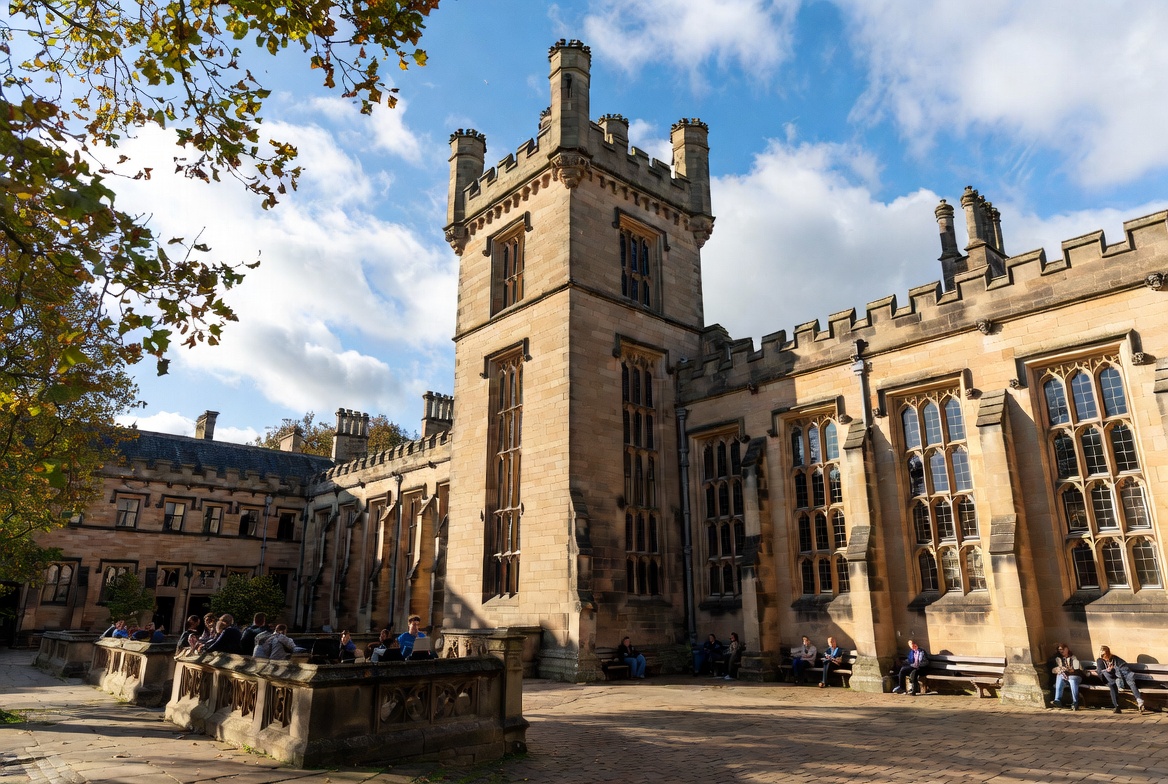
Prefer to learn at our Edinburgh campus? Campus tuition and campus examinations are charged. The published campus price is on each programme page.
| Code | Course | Credits · hours |
|---|---|---|
| PSY101 | Introduction to Psychology Introduction to Psychology (PSY101) is a 20-credit course on BSc (Hons) Psychology, with 200 notional learning hours. By the end, students can read a finding and say what it shows about behaviour, and what it does not, using Introduction to Psychology as the working context rather than a generic management example. The course is taught in three movements. First, students establish the terms and the decision the course is about. Second, they apply the method to a case, dataset, text, or design and compare it with a weaker alternative. Third, they revise the work after feedback and state what the conclusion cannot support. Preparation uses one empirical paper, one methods critique, and an ethics note. Seminar time is for the decision, not for reading the materials aloud. Assessment is a critical review that a non-specialist manager could follow. A pass requires a clear method, evidence a marker can check, and an explicit limit. Credit is not awarded for summary alone. This course does not confer a psychology, counselling, or clinical licence.
| 20 · 200 h |
| PSY102 | Psychological Research Methods I Psychological Research Methods I (PSY102) is a 20-credit course on BSc (Hons) Psychology, with 200 notional learning hours. By the end, students can read a finding and say what it shows about behaviour, and what it does not, using Psychological Research Methods I as the working context rather than a generic management example. The course is taught in three movements. First, students establish the terms and the decision the course is about. Second, they apply the method to a case, dataset, text, or design and compare it with a weaker alternative. Third, they revise the work after feedback and state what the conclusion cannot support. Preparation uses one empirical paper, one methods critique, and an ethics note. Seminar time is for the decision, not for reading the materials aloud. Assessment is a critical review that a non-specialist manager could follow. A pass requires a clear method, evidence a marker can check, and an explicit limit. Credit is not awarded for summary alone. This course does not confer a psychology, counselling, or clinical licence.
| 20 · 200 h |
| PSY103 | Biological Psychology & Neuroscience Biological Psychology & Neuroscience (PSY103) is a 20-credit course on BSc (Hons) Psychology, with 200 notional learning hours. By the end, students can read a finding and say what it shows about behaviour, and what it does not, using Biological Psychology & Neuroscience as the working context rather than a generic management example. The course is taught in three movements. First, students establish the terms and the decision the course is about. Second, they apply the method to a case, dataset, text, or design and compare it with a weaker alternative. Third, they revise the work after feedback and state what the conclusion cannot support. Preparation uses one empirical paper, one methods critique, and an ethics note. Seminar time is for the decision, not for reading the materials aloud. Assessment is a critical review that a non-specialist manager could follow. A pass requires a clear method, evidence a marker can check, and an explicit limit. Credit is not awarded for summary alone. This course does not confer a psychology, counselling, or clinical licence.
| 20 · 200 h |
| PSY104 | Statistics for Psychology I Statistics for Psychology I (PSY104) is a 20-credit course on BSc (Hons) Psychology, with 200 notional learning hours. By the end, students can define a measurable question, fit a method that can be checked, and report where it fails, using Statistics for Psychology I as the working context rather than a generic management example. The course is taught in three movements. First, students establish the terms and the decision the course is about. Second, they apply the method to a case, dataset, text, or design and compare it with a weaker alternative. Third, they revise the work after feedback and state what the conclusion cannot support. Preparation uses a dataset description, a methods note, and one published evaluation. Seminar time is for the decision, not for reading the materials aloud. Assessment is a project note with the question, the method, the result, and the limitation. A pass requires a clear method, evidence a marker can check, and an explicit limit. Credit is not awarded for summary alone.
| 20 · 200 h |
| PSY105 | Social & Cultural Psychology Social & Cultural Psychology (PSY105) is a 20-credit course on BSc (Hons) Psychology, with 200 notional learning hours. By the end, students can read a finding and say what it shows about behaviour, and what it does not, using Social & Cultural Psychology as the working context rather than a generic management example. The course is taught in three movements. First, students establish the terms and the decision the course is about. Second, they apply the method to a case, dataset, text, or design and compare it with a weaker alternative. Third, they revise the work after feedback and state what the conclusion cannot support. Preparation uses one empirical paper, one methods critique, and an ethics note. Seminar time is for the decision, not for reading the materials aloud. Assessment is a critical review that a non-specialist manager could follow. A pass requires a clear method, evidence a marker can check, and an explicit limit. Credit is not awarded for summary alone. This course does not confer a psychology, counselling, or clinical licence.
| 20 · 200 h |
| PSY106 | Historical & Conceptual Issues in Psychology Historical & Conceptual Issues in Psychology (PSY106) is a 20-credit course on BSc (Hons) Psychology, with 200 notional learning hours. By the end, students can read a finding and say what it shows about behaviour, and what it does not, using Historical & Conceptual Issues in Psychology as the working context rather than a generic management example. The course is taught in three movements. First, students establish the terms and the decision the course is about. Second, they apply the method to a case, dataset, text, or design and compare it with a weaker alternative. Third, they revise the work after feedback and state what the conclusion cannot support. Preparation uses one empirical paper, one methods critique, and an ethics note. Seminar time is for the decision, not for reading the materials aloud. Assessment is a critical review that a non-specialist manager could follow. A pass requires a clear method, evidence a marker can check, and an explicit limit. Credit is not awarded for summary alone. This course does not confer a psychology, counselling, or clinical licence.
| 20 · 200 h |
| Code | Course | Credits · hours |
|---|---|---|
| PSY201 | Cognitive Psychology Cognitive Psychology (PSY201) is a 20-credit course on BSc (Hons) Psychology, with 200 notional learning hours. By the end, students can read a finding and say what it shows about behaviour, and what it does not, using Cognitive Psychology as the working context rather than a generic management example. The course is taught in three movements. First, students establish the terms and the decision the course is about. Second, they apply the method to a case, dataset, text, or design and compare it with a weaker alternative. Third, they revise the work after feedback and state what the conclusion cannot support. Preparation uses one empirical paper, one methods critique, and an ethics note. Seminar time is for the decision, not for reading the materials aloud. Assessment is a critical review that a non-specialist manager could follow. A pass requires a clear method, evidence a marker can check, and an explicit limit. Credit is not awarded for summary alone. This course does not confer a psychology, counselling, or clinical licence.
| 20 · 200 h |
| PSY202 | Developmental Psychology Across Lifespan Developmental Psychology Across Lifespan (PSY202) is a 20-credit course on BSc (Hons) Psychology, with 200 notional learning hours. By the end, students can read a finding and say what it shows about behaviour, and what it does not, using Developmental Psychology Across Lifespan as the working context rather than a generic management example. The course is taught in three movements. First, students establish the terms and the decision the course is about. Second, they apply the method to a case, dataset, text, or design and compare it with a weaker alternative. Third, they revise the work after feedback and state what the conclusion cannot support. Preparation uses one empirical paper, one methods critique, and an ethics note. Seminar time is for the decision, not for reading the materials aloud. Assessment is a critical review that a non-specialist manager could follow. A pass requires a clear method, evidence a marker can check, and an explicit limit. Credit is not awarded for summary alone. This course does not confer a psychology, counselling, or clinical licence.
| 20 · 200 h |
| PSY203 | Individual Differences & Personality Individual Differences & Personality (PSY203) is a 20-credit course on BSc (Hons) Psychology, with 200 notional learning hours. By the end, students can read a finding and say what it shows about behaviour, and what it does not, using Individual Differences & Personality as the working context rather than a generic management example. The course is taught in three movements. First, students establish the terms and the decision the course is about. Second, they apply the method to a case, dataset, text, or design and compare it with a weaker alternative. Third, they revise the work after feedback and state what the conclusion cannot support. Preparation uses one empirical paper, one methods critique, and an ethics note. Seminar time is for the decision, not for reading the materials aloud. Assessment is a critical review that a non-specialist manager could follow. A pass requires a clear method, evidence a marker can check, and an explicit limit. Credit is not awarded for summary alone. This course does not confer a psychology, counselling, or clinical licence.
| 20 · 200 h |
| PSY204 | Research Methods & Statistics II Research Methods & Statistics II (PSY204) is a 20-credit course on BSc (Hons) Psychology, with 200 notional learning hours. By the end, students can define a measurable question, fit a method that can be checked, and report where it fails, using Research Methods & Statistics II as the working context rather than a generic management example. The course is taught in three movements. First, students establish the terms and the decision the course is about. Second, they apply the method to a case, dataset, text, or design and compare it with a weaker alternative. Third, they revise the work after feedback and state what the conclusion cannot support. Preparation uses a dataset description, a methods note, and one published evaluation. Seminar time is for the decision, not for reading the materials aloud. Assessment is a project note with the question, the method, the result, and the limitation. A pass requires a clear method, evidence a marker can check, and an explicit limit. Credit is not awarded for summary alone.
| 20 · 200 h |
| PSY205 | Psychopathology & Mental Wellbeing Psychopathology & Mental Wellbeing (PSY205) is a 20-credit course on BSc (Hons) Psychology, with 200 notional learning hours. By the end, students can read a finding and say what it shows about behaviour, and what it does not, using Psychopathology & Mental Wellbeing as the working context rather than a generic management example. The course is taught in three movements. First, students establish the terms and the decision the course is about. Second, they apply the method to a case, dataset, text, or design and compare it with a weaker alternative. Third, they revise the work after feedback and state what the conclusion cannot support. Preparation uses one empirical paper, one methods critique, and an ethics note. Seminar time is for the decision, not for reading the materials aloud. Assessment is a critical review that a non-specialist manager could follow. A pass requires a clear method, evidence a marker can check, and an explicit limit. Credit is not awarded for summary alone. This course does not confer a psychology, counselling, or clinical licence.
| 20 · 200 h |
| PSY206 | Applied & Occupational Psychology Applied & Occupational Psychology (PSY206) is a 20-credit course on BSc (Hons) Psychology, with 200 notional learning hours. By the end, students can read a finding and say what it shows about behaviour, and what it does not, using Applied & Occupational Psychology as the working context rather than a generic management example. The course is taught in three movements. First, students establish the terms and the decision the course is about. Second, they apply the method to a case, dataset, text, or design and compare it with a weaker alternative. Third, they revise the work after feedback and state what the conclusion cannot support. Preparation uses one empirical paper, one methods critique, and an ethics note. Seminar time is for the decision, not for reading the materials aloud. Assessment is a critical review that a non-specialist manager could follow. A pass requires a clear method, evidence a marker can check, and an explicit limit. Credit is not awarded for summary alone. This course does not confer a psychology, counselling, or clinical licence.
| 20 · 200 h |
| Code | Course | Credits · hours |
|---|---|---|
| PSY301 | Clinical & Health Psychology Clinical & Health Psychology (PSY301) is a 20-credit course on BSc (Hons) Psychology, with 200 notional learning hours. By the end, students can describe how people, records, and decisions move through one service, and separate cause from harm, using Clinical & Health Psychology as the working context rather than a generic management example. The course is taught in three movements. First, students establish the terms and the decision the course is about. Second, they apply the method to a case, dataset, text, or design and compare it with a weaker alternative. Third, they revise the work after feedback and state what the conclusion cannot support. Preparation uses a pathway description, an incident summary, and an information standard. Seminar time is for the decision, not for reading the materials aloud. Assessment is a brief a service manager could use, with the evidence attached. A pass requires a clear method, evidence a marker can check, and an explicit limit. Credit is not awarded for summary alone. This course does not confer a licence to practise nursing, medicine, or any other clinical profession.
| 20 · 200 h |
| PSY302 | Neuropsychology & Brain Function Neuropsychology & Brain Function (PSY302) is a 20-credit course on BSc (Hons) Psychology, with 200 notional learning hours. By the end, students can read a finding and say what it shows about behaviour, and what it does not, using Neuropsychology & Brain Function as the working context rather than a generic management example. The course is taught in three movements. First, students establish the terms and the decision the course is about. Second, they apply the method to a case, dataset, text, or design and compare it with a weaker alternative. Third, they revise the work after feedback and state what the conclusion cannot support. Preparation uses one empirical paper, one methods critique, and an ethics note. Seminar time is for the decision, not for reading the materials aloud. Assessment is a critical review that a non-specialist manager could follow. A pass requires a clear method, evidence a marker can check, and an explicit limit. Credit is not awarded for summary alone. This course does not confer a psychology, counselling, or clinical licence.
| 20 · 200 h |
| PSY303 | Forensic & Criminal Psychology Forensic & Criminal Psychology (PSY303) is a 20-credit course on BSc (Hons) Psychology, with 200 notional learning hours. By the end, students can map one named system, write a threat model, and specify the controls that would stop the most likely path, using Forensic & Criminal Psychology as the working context rather than a generic management example. The course is taught in three movements. First, students establish the terms and the decision the course is about. Second, they apply the method to a case, dataset, text, or design and compare it with a weaker alternative. Third, they revise the work after feedback and state what the conclusion cannot support. Preparation uses control catalogues, incident write-ups, and a short technical standard. Seminar time is for the decision, not for reading the materials aloud. Assessment is a defensive design with a test plan and a statement of residual risk. A pass requires a clear method, evidence a marker can check, and an explicit limit. Credit is not awarded for summary alone.
| 20 · 200 h |
| PSY304 | Cyberpsychology & Digital Behaviour Cyberpsychology & Digital Behaviour (PSY304) is a 20-credit course on BSc (Hons) Psychology, with 200 notional learning hours. By the end, students can map one named system, write a threat model, and specify the controls that would stop the most likely path, using Cyberpsychology & Digital Behaviour as the working context rather than a generic management example. The course is taught in three movements. First, students establish the terms and the decision the course is about. Second, they apply the method to a case, dataset, text, or design and compare it with a weaker alternative. Third, they revise the work after feedback and state what the conclusion cannot support. Preparation uses control catalogues, incident write-ups, and a short technical standard. Seminar time is for the decision, not for reading the materials aloud. Assessment is a defensive design with a test plan and a statement of residual risk. A pass requires a clear method, evidence a marker can check, and an explicit limit. Credit is not awarded for summary alone.
| 20 · 200 h |
| PSY305 | Honours Empirical Research Project & Dissertation Honours Empirical Research Project & Dissertation (PSY305) is a 40-credit course on BSc (Hons) Psychology, with 400 notional learning hours. By the end, students can read a finding and say what it shows about behaviour, and what it does not, using Honours Empirical Research Project & Dissertation as the working context rather than a generic management example. The course is taught in three movements. First, students establish the terms and the decision the course is about. Second, they apply the method to a case, dataset, text, or design and compare it with a weaker alternative. Third, they revise the work after feedback and state what the conclusion cannot support. Preparation uses one empirical paper, one methods critique, and an ethics note. Seminar time is for the decision, not for reading the materials aloud. Assessment is a critical review that a non-specialist manager could follow. A pass requires a clear method, evidence a marker can check, and an explicit limit. Credit is not awarded for summary alone. This course does not confer a psychology, counselling, or clinical licence.
| 40 · 400 h |
Modules are assessed through a published mix of coursework, applied projects, and examinations. Exam windows are announced in advance so students in other time zones are not forced into overnight sittings. Alternative arrangements are available where documented.
The published duration is 3 years full-time. Teaching language: English. Actual time-to-complete depends on mode and any recognised prior learning.
You may study this award fully online from your country, or — where published — on campus at Brigant. Online study does not require a student visa. Campus study may.
Degree tuition for this award is published as £0 / tuition-free on the online pathway. Examination or administrative fees may apply at checkout — never an annual tuition invoice. Check the Fees page for any extras.
Requirements are grouped on this page (academic, English, documents). Equivalent qualifications are considered. English may be waived after prior English-medium study.
Assessment is typically a mix of coursework, projects, and examinations. Doctoral awards include a thesis or dissertation and an oral examination. Details sit in the programme specification and module outlines.
Recognition of the award for local employment, professional licence, or ministry attestation is decided by your employer or regulator. University of Brigant publishes verification pages for certificates. We do not claim automatic equivalence in every country.
Start an application on this website. Progress is saved from the first step. Admissions: admissions@brigant.uk.
Recognised & Accredited